

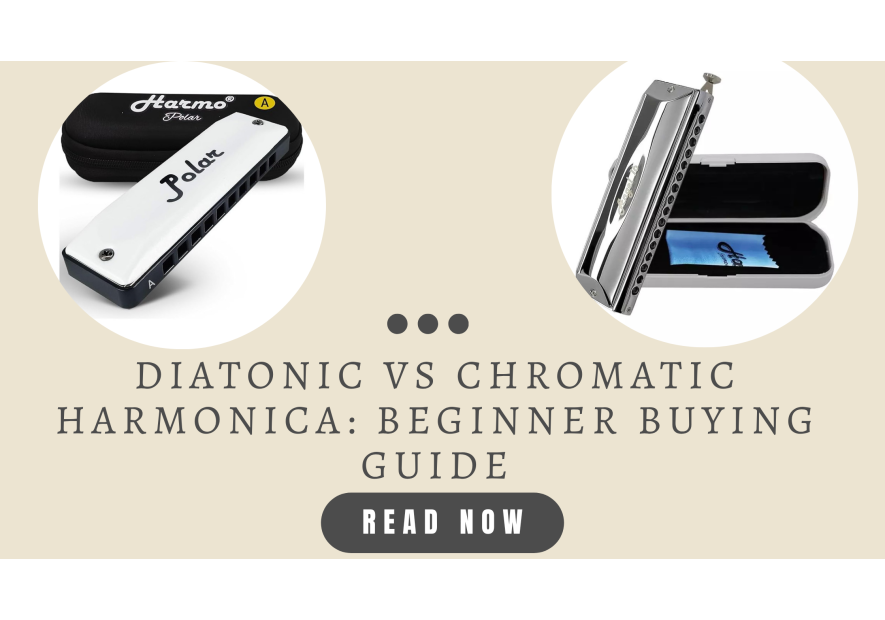
Diatonic vs Chromatic Harmonica: Beginner Buying Guide
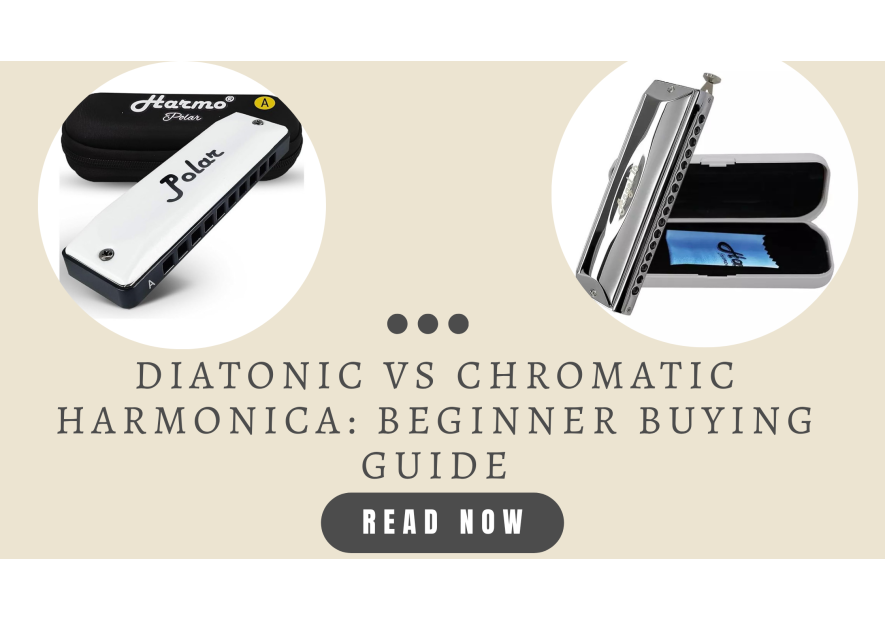
Diatonic vs. chromatic: which harmonica should you start with?
Choosing your first harmonica can feel like choosing a language. Do you want the gritty drawl of blues bends or the smooth, all-notes-on-demand voice of a slider instrument? Both paths are valid, and both can get you making real music fast.
This guide breaks down diatonic and chromatic harmonicas in plain language. You will learn what each does well, how they feel to play, what genres they fit, and what to buy first. You will also find beginner-friendly picks from Harmo, free learning resources, and a couple of smart accessories to help you start strong.
The quick answer
-
If you sing or love blues, folk, country, rock, pop riffs, and expressive bends, start with a diatonic in the key of C. The Harmo Polar is a solid first pick.
-
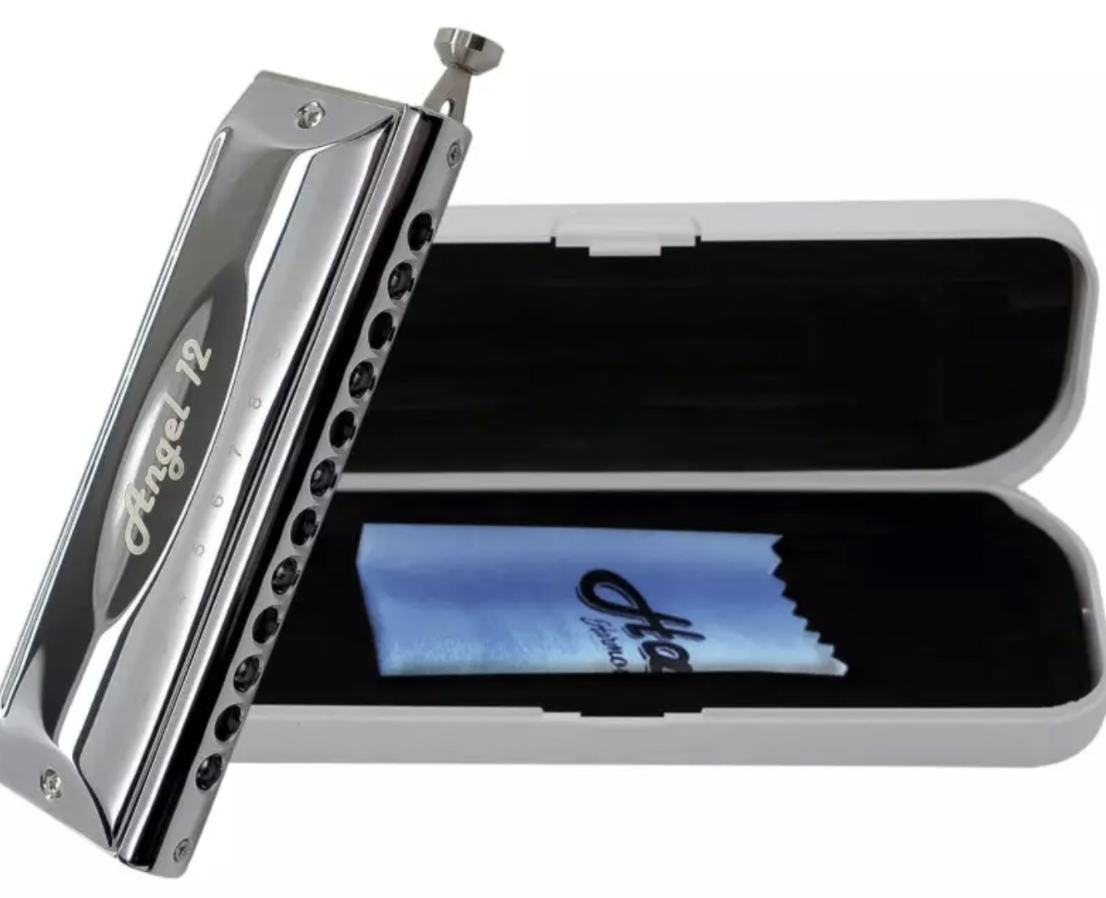
If you want fluid, melodic lines for jazz, classical, film themes, or pop standards with key changes and chromatic runs, start with a 12-hole chromatic in C. The Harmo Angel 12 is a great beginner chromatic.
Still unsure? Read on for the why behind these choices.
What is the difference?
-
Diatonic harmonica: The classic 10-hole, also called a Richter-tuned harp. It is tuned to a single key by default. You shape extra notes using bends and, at higher skill levels, overblows and overdraws. It is compact, loud, and very expressive.
-
Chromatic harmonica: A slider-equipped harp that gives you all 12 notes in the octave. Press the button to raise the pitch by a semitone. You can play in any key without switching instruments and follow complex melodies with accuracy.
Both are “mouth organs,” the everyday name for harmonicas. In practice, musicians just say harmonica, diatonic, or chromatic.
Genres and musical fit
Diatonic shines in blues, roots, folk, Americana, rock, and country. It excels at soulful bending, gritty textures, rhythmic chugs, and punchy hooks. If you picture a blues solo that wails and growls, that is a 10-hole diatonic.
Chromatic fits jazz, classical, theater, film, Brazilian choro, tango, and pop ballads where smooth, fully chromatic melodies matter. Think lyrical lines, key modulations, and chord changes that demand all the notes. The slider keeps intonation clean and passages accurate.
Quick scenarios:
-
Blues or folk singer who wants to back up vocals and solo between verses? Go diatonic.
-
Sax-like jazz lines, classical melodies, or standards with tricky key changes? Go chromatic.
Learning curve and techniques
Diatonic learning path: You can play simple melodies and riffs on day one. Clear single notes arrive quickly with basic embouchure and breath control. Bending notes, the signature blues sound, typically comes next. Overblows and overdraws can unlock missing notes and are part of more advanced playing. Harmo offers resources that show you how to form one clean note, then build up bends at a relaxed pace.
Chromatic learning path: Single notes and basic scales are also approachable early on. The main adjustment is coordinating the slider hand with breath direction so you can access every semitone without breaking phrasing. You do not need bends for missing notes, though some players use gentle bends for color. With steady practice, you can play clean melodies across keys with reliable pitch.
Bottom line: Diatonic offers quicker access to expressive blues vocabulary. Chromatic offers immediate access to every note with a bit more coordination work.
Maintenance, durability, and care
Any harmonica benefits from good habits. Play with relaxed breath, store it in a pouch or case, and keep food and sugary drinks away before practice. If you are curious about do-it-yourself care, see Harmo’s guidance on how to clean a harmonica for safe, non-immersion methods that protect reeds and covers.
Reeds are wearing parts on both types. Chromatic instruments add a mouthpiece, slider, and springs that may need occasional cleaning and a light touch of maintenance. Diatonics have fewer moving parts and are simpler to service, which many beginners appreciate.
Budget and what to buy first
-
Entry diatonic: A well-made 10-hole model in C keeps cost down and learning focused. The Harmo Polar is designed to be airtight and responsive so beginners get a good tone without fighting the instrument. Start with C, then add G, A, D, and F as you expand into more songs.

-
Entry chromatic: A 12-hole in C is the standard starting point. The Harmo Angel 12 offers smooth slider action and round-shaped holes that feel comfortable for new players. Begin with C to make use of common beginner charts and lessons.
Harmo emphasizes reliable quality, support resources, and USA design with free shipping on all orders and a two-year Worldwide Guarantee covering defects in materials and workmanship for the original purchaser. That combination helps beginners start playing today with confidence.
Bending, overblows, and expression
On a diatonic, bending is a core technique that lowers pitch and adds character. It is how players get that vocal, crying sound on draw holes 1 to 6 and blow bends on holes 8 to 10. Overblows and overdraws are advanced techniques that provide chromatic notes on a diatonic and are used by modern players for jazz and pop lines. If you aim to master bends and possibly overblows later, the diatonic path fits your goals.
On a chromatic, you already have the missing notes via the slider. You focus more on phrasing, articulation, and breath control across keys. Bends are optional for color rather than a requirement for missing notes.
Keys to start with
-
Diatonic: Start with a diatonic harmonica in the key of C. It aligns with most beginner tutorials and songbooks, and it is easy to follow along with lessons.
-
Chromatic:Start with a chromatic in C. Standard charts and most beginner exercises assume C.
If you are unsure which keys to add next on diatonic, see Harmo’s guidance on what key harmonica should I get for a practical roadmap as you build a small set.
Recommended first instruments
-
Harmo Polar (diatonic, C): Responsive, airtight, and beginner friendly, with room to grow into bends and, on select setups, overblows. A reliable first harp for blues and folk styles.
-
Harmo Angel 12 (chromatic, C): A comfortable 12-hole with smooth slider action and fast response, set up to play well out of the box. Ideal for melodic lines in jazz and classical.
Both come with protective cases and are supported by spare parts and repair services if you need help later.
Helpful accessories and free resources
A simple carrying solution protects your new harp and keeps lint out of the reeds. Consider a compact harmonica pouch for single harps or a small multi-harp bag if you plan to add more keys. When you are ready to practice, explore harmonica music for beginners and lesson videos that cover single notes, rhythm, bending, and first melodies. These resources help you make progress without guesswork.
Internal links you might find useful:
-
Learn the basics and get beginner lesson videos in one place with harmonica lessons online at Harmo.
-
Keep your instrument clean with step-by-step tips in how to clean a harmonica.
-
Protect your harp with a pocketable harmonica pouch or scale up later with larger harmonica cases.
FAQ for first-time buyers
-
Which harmonica is best for beginners, 10 hole or 24 hole? A 10-hole diatonic is the best starting point for most beginners. It is simpler, standard for modern lessons, and perfect for blues, folk, and rock. A 24-hole instrument usually refers to a tremolo model, which has a different sound and layout and is not the common first choice unless you specifically want tremolo tone.
-
Is a 10-hole harmonica good for beginners? Yes. It is compact, easy to learn on, and supported by countless tutorials and songs.
-
Which mouth organ is easy to learn? A diatonic 10-hole in C is the easiest entry for most players. If you want smooth chromatic melodies instead, a 12-hole chromatic in C is also beginner friendly with a bit more coordination for the slider.
-
Should I buy a diatonic or chromatic harmonica? Choose based on style. Blues, folk, and bend-heavy expression point to diatonic. Jazz, classical, and key-changing melodies point to chromatic.
-
What type of harmonica should a beginner buy? Most beginners start with a diatonic harmonica in the key of C. If your goal is fully chromatic melodies, start with a 12-hole chromatic in C.
-
Can a beginner play a chromatic harmonica? Yes. You can learn single notes and scales early. Expect to practice coordinating the slider with breath direction.
-
What is a mouth organ called? Mouth organ is another name for the harmonica. The two most common types are diatonic and chromatic.
Final take
Pick the instrument that matches the music you hear in your head. For blues and roots with expressive bends, start with a diatonic in C like the Harmo Polar. For fluid, all-notes melodies across keys, start with a chromatic in C like the Harmo Angel 12. Add a simple case, follow beginner lessons, and enjoy free shipping and a two-year warranty that back up your first step. When you are ready to grow, explore additional keys, techniques like bending and overblows, and maintenance know-how so your harmonica stays stage ready.

Leave a comment