

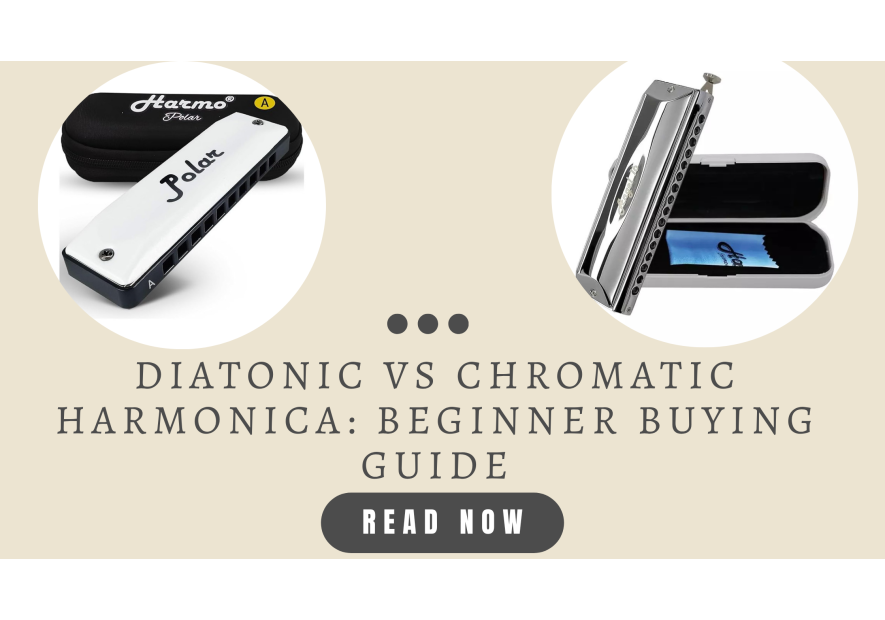
Beginner Harmonica Buying Guide: How Much to Spend

Beginner’s buying guide: how much to spend on your first harmonica (and why)
If you are picking up your first harmonica, price can feel like a maze. Spend too little and you might fight the instrument instead of learning. Spend too much and you may pay for features you will not use yet.
This guide breaks down what you really get at each price tier, how design and setup influence bending, tone, and longevity, and how to choose a beginner-friendly 10-hole diatonic in the key of C with confidence. You will also find a simple decision tree plus a couple of starter bundle ideas that keep your investment smart and practical.
Harmo designs and quality-checks instruments in the USA, offers free worldwide shipping, and backs new products with a two-year warranty. That combination lowers risk for first-time buyers while keeping the focus on playability and serviceability.
The short answer: what to budget for a first harp
-
Entry-level that still plays well: Typically a modest budget gets you a reliable 10-hole diatonic that is airtight enough for clean notes and early bends. This is where many players start.
-
Mid-tier workhorse: Spend a bit more and you usually get better airtightness, smoother reeds, and replaceable parts. These models make bending easier and last longer with basic care.
-
USA-designed options: Instruments like the Harmo Polar and Torpedo are designed and quality-checked in the USA and emphasize airtightness, projection, and serviceability. They are made to grow with you.
You do not need the most expensive harmonica to start. You do need one that seals well and responds easily so you can learn technique without frustration.
Cheap vs expensive: what changes as price goes up
The sound of a harmonica comes from reeds vibrating within reed plates mounted to a comb and covered by metal or composite covers. Price affects how precisely those parts are made and assembled.
-
Airtightness: Tighter tolerances reduce air leaks, so more of your breath turns into sound. A more airtight harp feels louder and more responsive, which helps with single notes and bends.
-
Reed material and setup: Brass is common. Phosphor bronze is typically more elastic and can offer a crisp response and strong longevity when well set up. Manual reed optimization, gap work, and centering improve response at soft and loud volumes.
-
Comb types: Plastic or acrylic combs resist swelling and help maintain a good seal. CNC-milled acrylic or metal combs usually deliver reliable flatness. Wood combs feel warm and look great, but need stable design and finishing to prevent swelling.
-
Covers and ergonomics: Sturdy, well-shaped covers improve projection and comfort in the hands and at the lips.
-
Replaceable parts and serviceability: Mid-tier and USA-designed models often support spare reeds, plates, covers, and screws. That keeps an instrument in service longer and lowers total cost of ownership.
Do more expensive harmonicas sound better? Often they can, but it is mostly because they are more airtight and responsive. In the hands of a beginner, the big win is ease of play, not just tone color.
Are diatonic harmonicas good for beginners?
Yes, a 10-hole diatonic in the key of C is the standard starting point. The layout supports blues, folk, country, pop, and rock. You can learn clean single notes quickly, then bending. Most beginner lessons, including many of Harmo’s, assume a C diatonic. If you are ready to start, explore the diatonic harmonicas section to compare a 10-hole diatonic in the key of C, keys beyond C, and special tunings.
Tip: When you feel stuck on bends, technique matters more than force. Gentle airflow and a relaxed embouchure protect reeds and improve accuracy.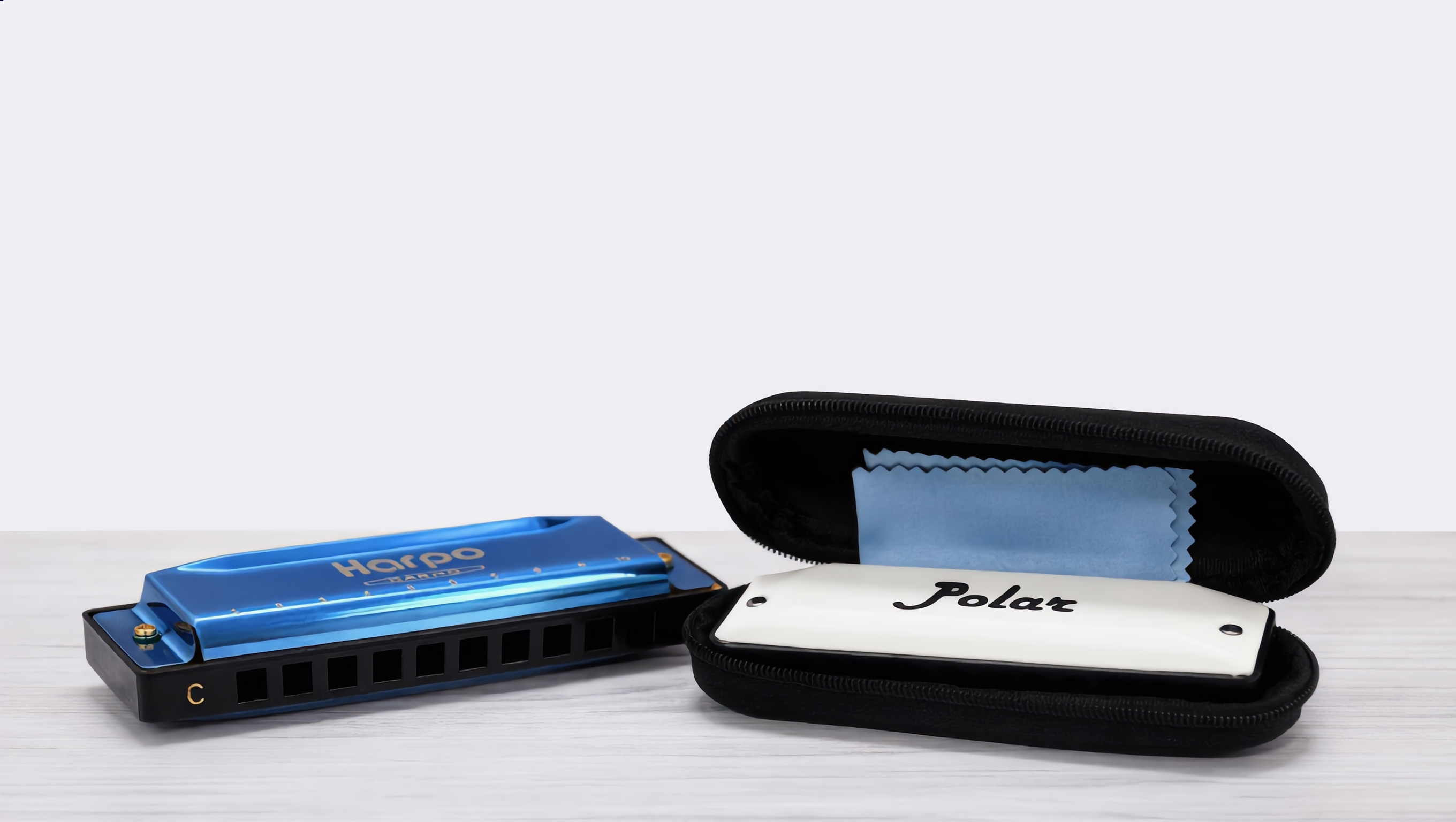
What you really get at three tiers
-
Cheap but good starter diatonics
These are simple, budget-friendly instruments that are reasonably airtight. They allow clean notes and your first bends with a bit of patience. Expect basic brass reeds, plastic or acrylic combs, and standard covers. They are fine for first steps and casual practice.
-
Mid-tier workhorses
Here you see tighter tolerances and better seal, smoother reed response, and improved comfort. Bending control gets easier, dynamics widen, and you are less likely to fight leaky holes. Replaceable parts are more common, and accessory compatibility is broader.
-
USA-designed options like Harmo Polar and Torpedo
Harmo Polar emphasizes projection and airtightness, comes in all standard keys, and offers special tunings and variants. Torpedo adds USA design and customization options with a focus on fast response and comfort. Both are quality-checked in Eagle, Idaho, with serviceability and spare parts available. These instruments are built to stay with you from beginner through intermediate and beyond.
Setup details that matter for playability and bending
-
Reed gapping and centering: A well-set reed responds at low breath pressure and resists squeals at high volume. This directly affects how easily you can bend.
-
Comb flatness and plate fit: A flat, stable comb and tight plate fit reduce leaks. Less air wasted means easier bends and clearer tone.
-
Valve choices: Standard Richter diatonics are usually unvalved. Half-valved variants can add valve-assisted bends and a different feel, which some players prefer as they explore expressive options.
Longevity improves when reeds are responsive and you play with relaxed breath. Combine proper setup with basic care and you extend the life of your harp.
Decision tree: how to choose your first harmonica
-
Brand-new to harmonica, want the safest learning path
Choose a diatonic harmonica in the key of C with good airtightness and a smooth response. USA-designed Harmo options reduce guesswork and are backed by a two-year warranty and free worldwide shipping.
-
Already sure you will practice daily and want room to grow
Select a mid-tier or USA-designed model like Polar or Torpedo that supports spare parts and consistent quality control. This lowers long-term cost and keeps technique progress smooth.
-
Curious about minor keys or special styles
Start on C, then consider a second harp in natural minor, harmonic minor, or a tuning like Paddy Richter once single notes and basic bends feel solid.
Starter bundle ideas that make sense
-
Practical carry and organization: A compact Gig Bag 7 keeps up to seven diatonic harmonicas ready for practice or a small jam. A dedicated harmonica pouch also protects a single harp in your pocket or backpack.
-
Clarity when rotating keys: Key label sticker sets help you mark harps, boxes, and pouches so you can grab the right instrument fast.
As your collection grows, a larger pro case becomes useful for mics, tools, and a chromatic harmonica alongside multiple diatonics.
Care, service, and parts for a longer-lasting first harp
Basic maintenance keeps your first instrument playing its best. Learn light cleaning habits, avoid eating or drinking right before playing, and store your harp in its case. For guidance, see this practical walkthrough on how to clean a harmonica. If a reed goes flat or a note sticks, Harmo offers harmonica spare parts and official repair services, along with harmonica repair tools should you want to learn DIY setup over time.
Quick FAQ for first-time buyers
-
How much should I spend on a beginner harmonica?
Budget for a reliable diatonic that is airtight and responsive, not necessarily the most expensive model. A well-made starter or mid-tier harp in C will carry you through your first months and beyond.
-
What is a good but cheap harmonica?
Look for a 10-hole diatonic with solid airtightness, smooth reeds, and a stable plastic or acrylic comb. It should allow clean single notes and basic bends without excessive force.
-
What is the difference between cheap and expensive harmonicas?
Mainly airtightness, reed setup, materials, and serviceability. Better tolerances and optimized reeds make bends easier, tone fuller, and maintenance simpler.
-
What is the best harmonica for the money?
A USA-designed diatonic that balances airtightness, comfort, replaceable parts, and trustworthy quality control is a strong value. Harmo Polar and Torpedo are built with those priorities.
-
Are diatonic harmonicas good?
Yes. A 10-hole diatonic in C is the standard for beginners because it is expressive, loud, and supports bends used in blues, folk, country, and rock.
-
Do more expensive harmonicas sound better?
Often they can, thanks to tighter seals and refined reedwork. The biggest advantage for a beginner is easier playability, which helps technique develop faster.
Gentle next step
Choose a 10-hole diatonic in the key of C that feels easy to play, seals well, and can be serviced. Harmo backs new products with a two-year warranty and offers free worldwide shipping, which reduces risk on your first purchase. When you are ready to expand, add a Gig Bag 7, key label stickers, and a second key to match the songs you love.
Helpful links for getting started:
-
Explore quality diatonic harmonicas to buy diatonic harmonica in C and beyond: https://harmo.com/en/diatonic-harmonicas
-
Learn how to clean a harmonica to keep your first harp playing its best: https://harmo.com/en/clean-your-harmonica
-
Pick a compact harmonica pouch or a larger harmonica gig bag as your collection grows: https://harmo.com/en/harmonica-case
-
Browse harmonica spare parts for long-term serviceability: https://harmo.com/en/harmonica-spare-parts


Leave a comment